Coinciding with April 17, which marks Palestinian Prisoners’ Day, the scene appears far from celebratory or symbolic; rather, it is heavy with suffering and anxiety.
This day passes as thousands of Palestinian prisoners face conditions described as among the harshest in years, amid escalating violations داخل Israeli prisons.
According to the Ministry of Detainees and Ex-Detainees Affairs in Gaza, more than 9,600 Palestinians are currently behind bars, including groups that are supposed to receive special protection under international law.
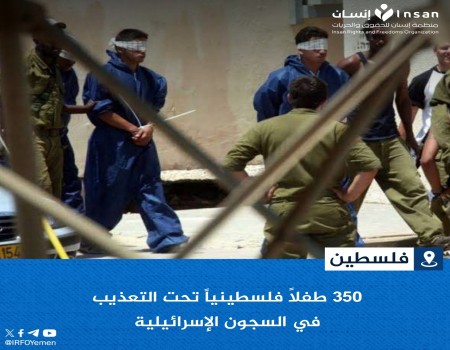
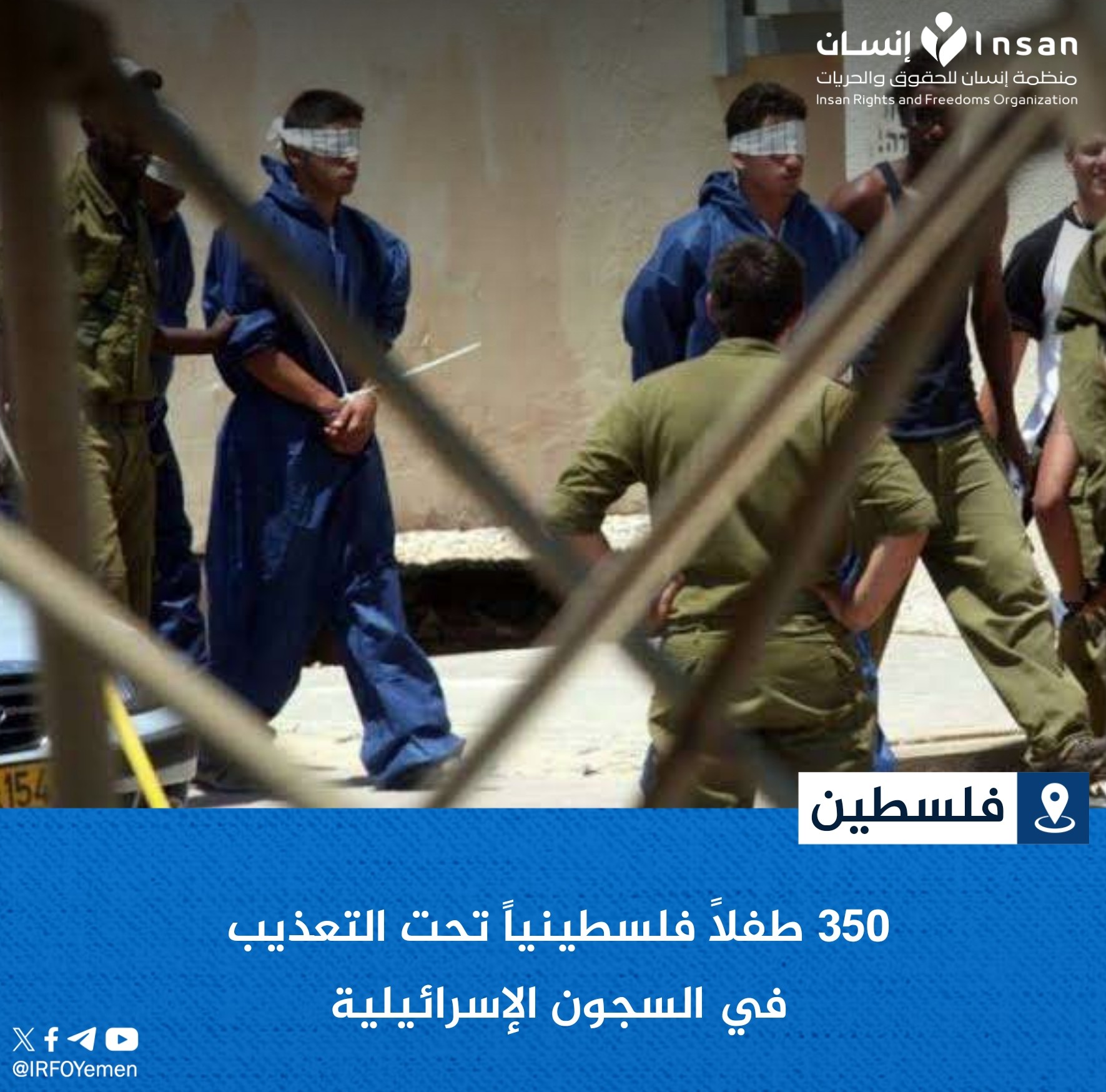
The figures indicate the presence of 350 minors and 84 women, reflecting the expanding scope of arrests to include the most vulnerable groups.
Inside Israeli prisons, suffering goes beyond the deprivation of liberty.
Testimonies and reports speak of systematic policies that include starvation, physical torture, and medical neglect, in addition to solitary confinement and the denial of prisoners’ most basic human rights.
The conditions of detainees from the Gaza Strip stand out in particular, as data تشير إلى cases of enforced disappearance and detention in unknown locations, under conditions described as tragic.
The health situation further darkens the picture, with more than 1,200 prisoners suffering from various illnesses, including serious conditions such as cancer and kidney failure.
Amid deliberate denial of medical care by the Israeli authorities, these illnesses become a daily threat to life, in what human rights advocates describe as a “slow death” inside prison cells.
Since October 2023, dozens of prisoners have died in Israeli prisons, bringing the total number of those who have lost their lives in Israeli detention to 326 prisoners, including 89 since the outbreak of the latest war on Gaza.
These figures are not merely statistics, but human stories of families who have lost their loved ones under harsh circumstances.
In this context, Palestinian Prisoners’ Day shifts from a symbolic occasion into an open humanitarian appeal, shedding light on an ongoing reality of suffering and raising urgent questions about the fate of thousands of prisoners, and the need for international action to ensure them the minimum standards of dignity and human rights.