A heavy humanitarian scene hangs over the Gaza Strip, where destruction is no longer merely the aftermath of war but a daily reality encircling the lives of more than two million people and shattering their capacity to endure, amid a crisis described as among the most severe in modern times.
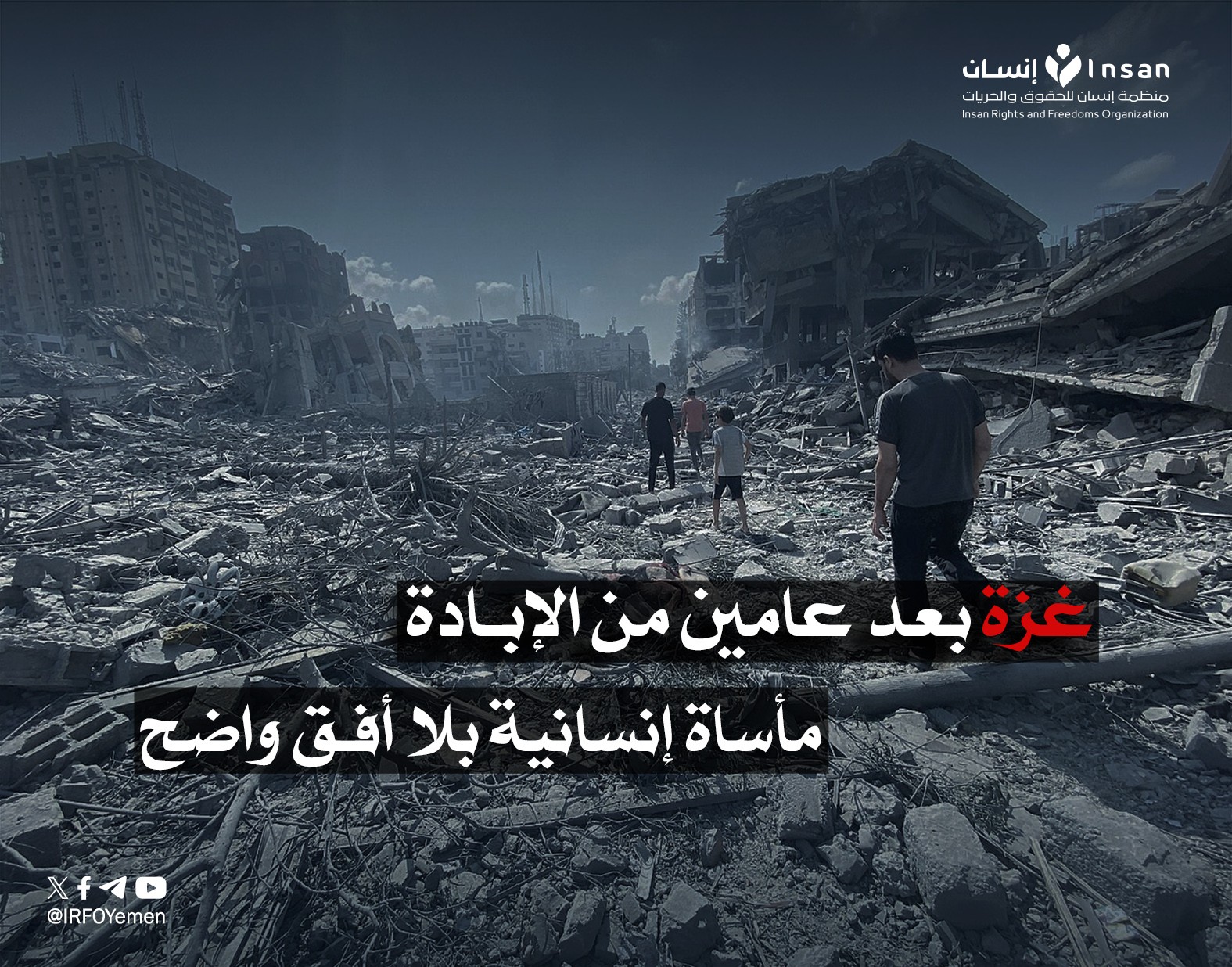
The Executive Director of the United Nations Office for Project Services (UNOPS), Jorge Moreira da Silva, presented a shocking picture of the scale of the catastrophe during a field visit to the Strip, confirming that Gaza contains more than 60 million tons of rubble—an enormous mass of debris that could take more than seven years to remove, even under the best-case scenarios.
Da Silva explained that residents are living in a compounded state of psychological exhaustion, trauma, and despair as a result of the attacks and widespread destruction, noting that harsh winter conditions and heavy rainfall have further exacerbated the suffering of families who lost their homes and safe shelters.
The UN official pointed out that the recovery of two million people in devastated areas, and the restoration of the minimum level of basic services, urgently require the provision of safe shelter, fuel supplies, and the initiation of debris removal—humanitarian necessities that cannot be postponed.
He noted that the volume of rubble is equivalent to the load of approximately 3,000 container ships, and that each person in Gaza is surrounded by an average of 30 tons of debris, describing the scene as almost unbelievable.
The destruction has affected homes, schools, clinics, and roads, as well as water and electricity networks, turning daily life into a struggle for survival.
As for children, da Silva stressed that their lives have become besieged by loss and continuous trauma, warning that depriving them of education for three consecutive years places them at risk of becoming a lost generation, denied their most basic rights to safety, learning, and a future.
Regarding reconstruction, the UN official estimated the financial needs for early recovery and reconstruction in the occupied Palestinian territories, including Gaza and the West Bank, at approximately $53.2 billion, noting that $20 billion is urgently required within the first three years alone.
These figures come amid a tragic humanitarian toll, as the number of victims of the Israeli genocide in Gaza has exceeded 71,000 killed and 71,000 wounded over two years since October 8, 2023—most of them children and women—along with the destruction of 90% of civilian infrastructure. The United Nations has estimated the cost of reconstruction at around $70 billion.
Gaza today is an open humanitarian wound and a cry for help that goes beyond numbers and reports, placing the international community before an urgent moral responsibility to save what remains of life and prevent the loss of an entire people’s future.