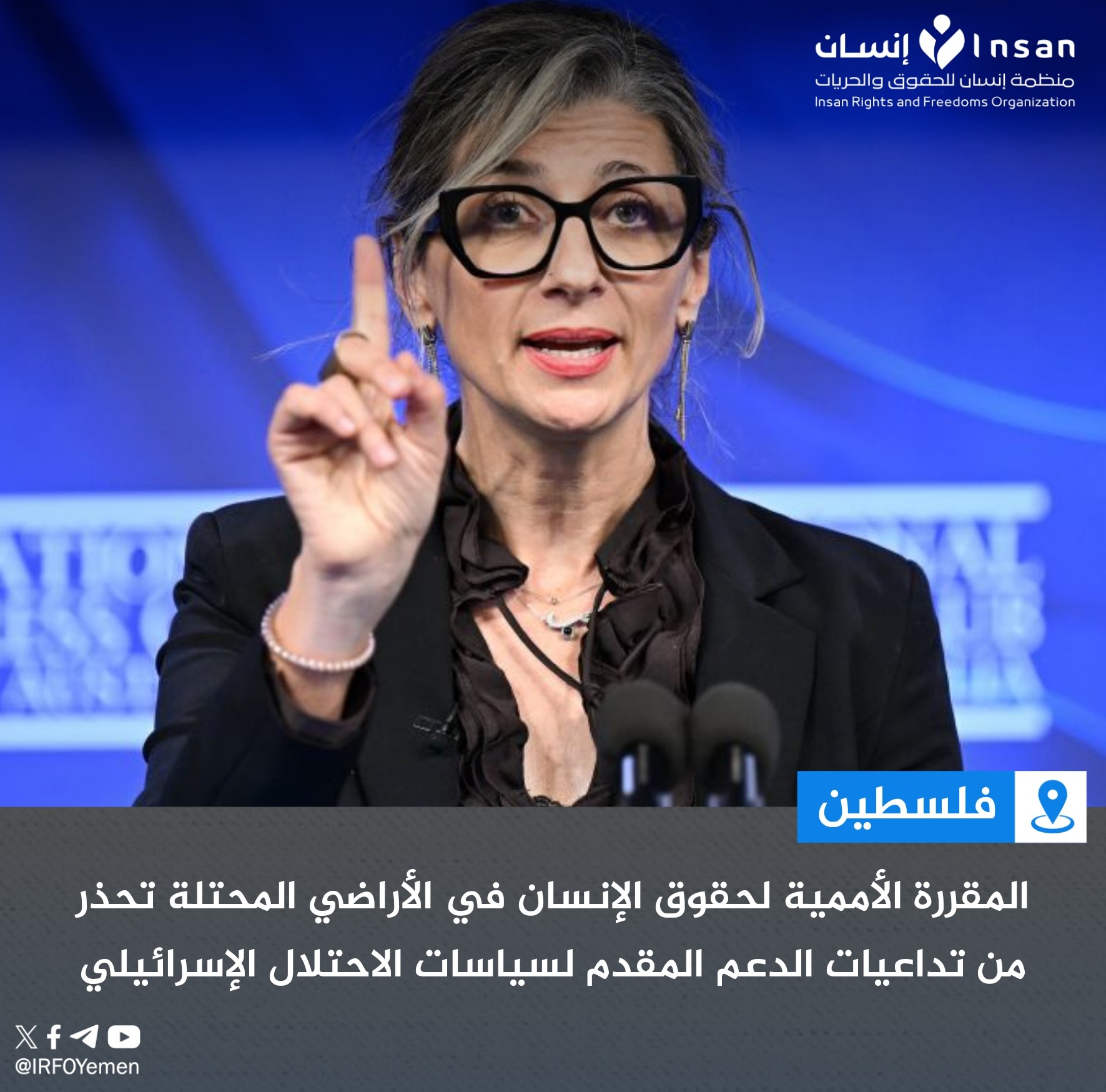
Despite the sanctions imposed on her by the United States, UN Special Rapporteur on the situation of human rights in the Palestinian territories occupied since 1967, Francesca Albanese, has remained steadfast in her humanitarian position. She continued to warn of the catastrophic consequences of the international support provided to Israel’s occupation and settlement policies, which she said have, over time, evolved into practices amounting to genocide against the Palestinian people.
Albanese issued these warnings during a speech delivered via video link before a meeting of the UN General Assembly’s Social, Humanitarian and Cultural Committee (Third Committee) at the organization’s headquarters in New York, explaining that she had been barred from attending in person due to the sanctions imposed on her.
The UN rapporteur highlighted the unprecedented human cost of the Israeli attacks on the Gaza Strip, noting that the number of Palestinians killed or injured has exceeded 240,000, while thousands remain missing—either under the rubble of destroyed homes or inside Israeli prisons—amid extremely dire humanitarian conditions.
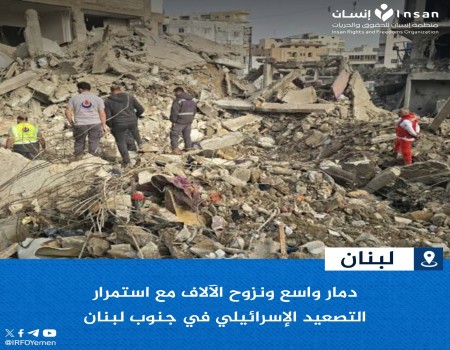
In her remarks, Albanese stressed that the situation in Gaza cannot be separated from the broader context of Israel’s occupation and settlement policies. She explained that the targeting of civilians and the destruction of vital infrastructure, including homes and health and educational facilities, has exacerbated humanitarian suffering to an unprecedented level.
She noted that thousands of Palestinian families are currently living under the weight of loss, forced displacement, and food insecurity, amid a near-total collapse of essential services—an outcome that constitutes a clear violation of international humanitarian law, particularly the principles of distinction and proportionality in armed conflict.
Parallel to the situation in Gaza, the UN rapporteur pointed to a dangerous escalation in violations against Palestinians in the West Bank, where land seizures have intensified and settler attacks on civilians have increased, all under security protection and in the absence of deterrent measures to ensure the safety of residents.
Albanese stated that these incidents are not isolated, but rather reflect a systematic pattern of ongoing violations resulting from decades of moral and political failure within the international system—which, according to her, has failed to enforce the laws and conventions meant to protect populations under occupation.
She criticized several countries for providing weapons, funding and political support to Israel, or for failing to take firm legal positions despite prior knowledge of the grave violations being committed on the ground, asserting that such silence or complicity has directly contributed to the worsening of crimes committed against Palestinians.
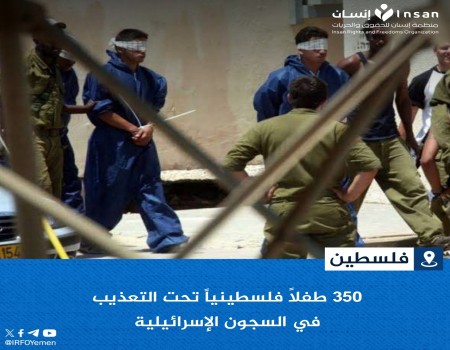
Over the past two years, Israeli military operations and escalating violence in the West Bank have resulted in the killing of no fewer than 1,062 Palestinians and the injury of around 10,000 others, in addition to the arrest of more than 20,000 people, including about 1,600 children—reflecting a troubling increase in the targeting of the most vulnerable groups within Palestinian society.
The report concludes that the continuation of these violations, in the absence of effective international accountability, risks entrenching a state of impunity and undermines the global human rights system.
It also stresses the urgent need for independent international action to ensure the protection of civilians, deliver justice to victims, and put an end to decades of ongoing humanitarian suffering.