Israel continues to turn Yemeni days into milestones of pain and bloody memories. From a “Bloody Wednesday” to a “Black Monday,” and now to a “Painful Thursday,” each has left its mark on Yemeni lives.
For many Yemenis, Thursday had always been a day to look forward to — a day of joy when weddings are celebrated, a day chosen by the devout for fasting and double reward, and the end of the week when Sana’a pulsed with life before the weekend break.
But Thursday, September 25, 2025, was no ordinary day. It became another page of sorrow — the day Israel engraved into Yemeni memory with blood and shattered bodies.
Death from the Skies over Sana’a
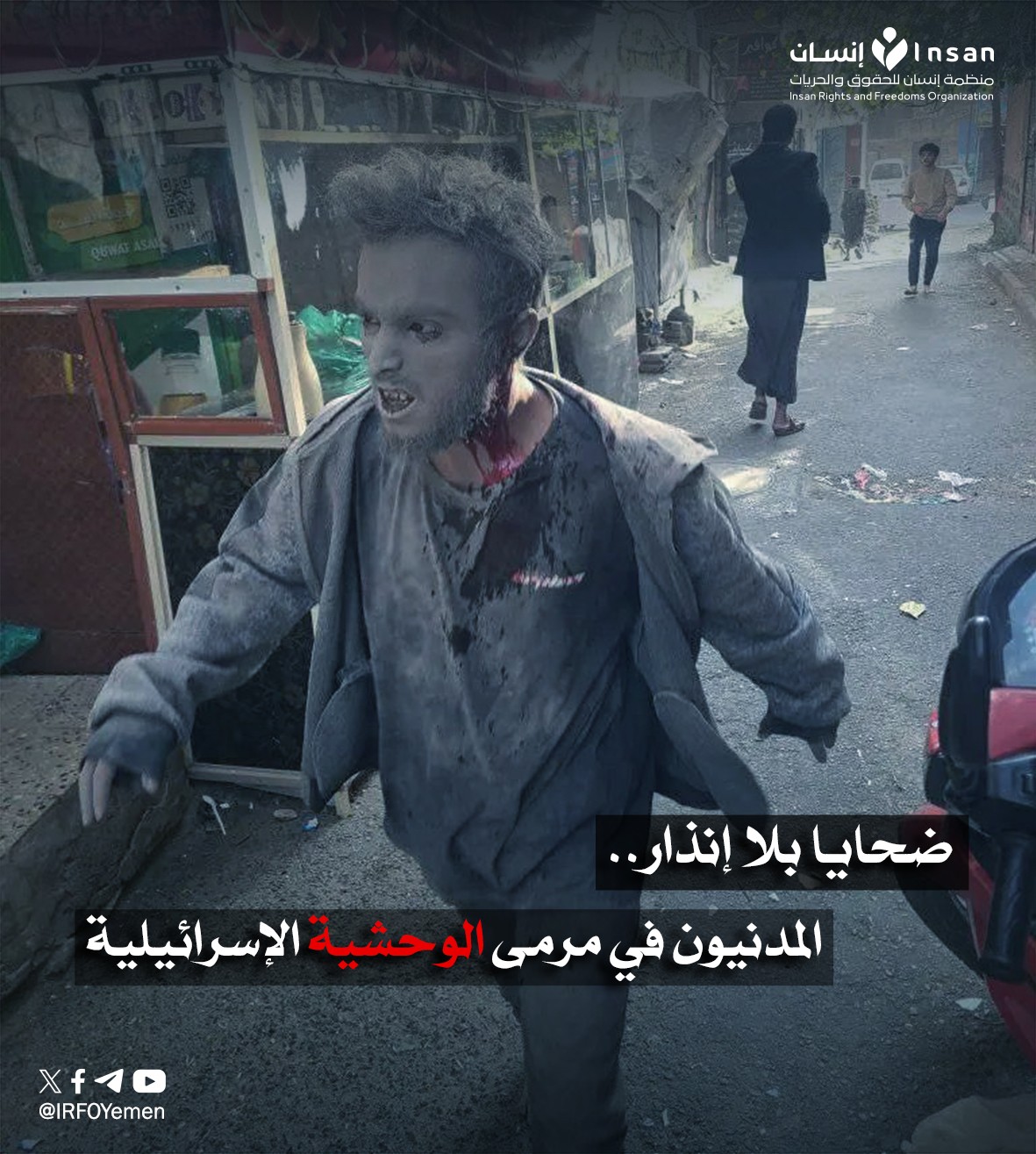
Twenty Israeli warplanes hovered over the Yemeni capital, unloading forty tons of missiles and bombs onto residential neighborhoods and civilian facilities in the city center. There was no warning. People had no time to escape.
Within minutes, streets turned into scenes of chaos, homes into rubble. The strikes left 183 people killed or wounded, most of them women and children.
“The message was clear”: this was the price of Yemen’s solidarity with Gaza, the cost of their humanity that refused to remain silent before starving children and displaced women buried beneath tents and rubble.
Faces of Pain in the Alleys
The tragedy carried many faces, but the pain was one. In one of Old Sana’a’s alleys, a little boy played carefree among walls that had stood for more than a thousand years. He did not know that his last game would end with an American–Israeli missile cutting off his laughter into eternal silence.
Just a few kilometers away, in the Political District, three children shared a brief laugh — not knowing it was their last moment together. Two ascended as martyrs, while the third survived, scarred with wounds that will never fade.
At the same time, in the Raqas neighborhood, a student bid farewell to her friend halfway down the street, thinking they would meet again the next morning. She never imagined that fleeting goodbye was the last. Moments later, she lay under the rubble.
Elsewhere in Sana’a, a father shopped with a smile, carrying enough for a modest family dinner. But American-made bombs dropped from Israeli warplanes ended his life before he reached home. The groceries became a silent witness to the tragedy, his house left empty, filled only with tears and grief.
From Gaza to Sana’a… From Lebanon to Damascus
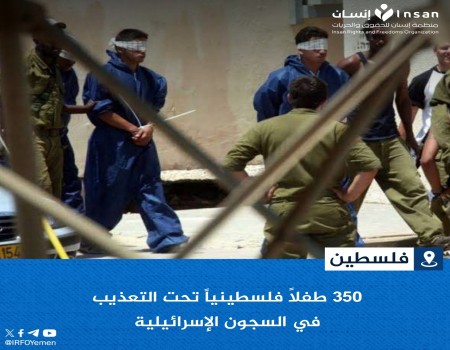
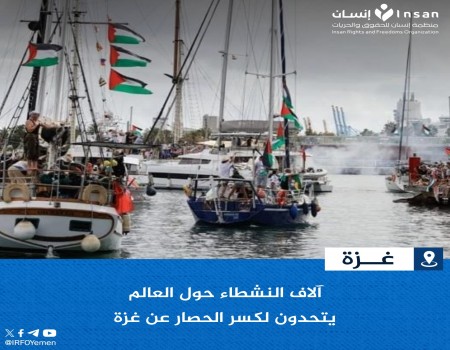
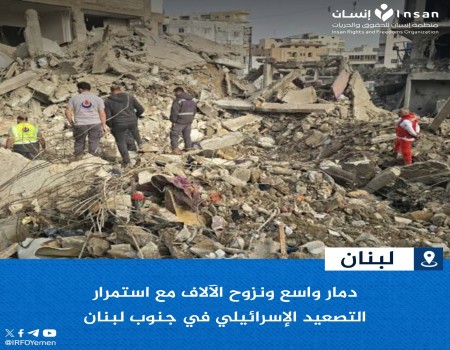
The picture is not confined to Sana’a. From Gaza, where childhood lies buried under ruins, to southern Lebanon enduring daily bombardment, to the ancient neighborhoods of Damascus — the scene repeats. Israel rages across the skies of the region, reaping lives without restraint.
None of these crimes would have been possible without America’s open-ended support. Washington, where decisions are crafted in White House corridors, provides Israel with political cover, weapons, and money — while silencing every international voice that dares to say “enough.”
The World’s Absent Conscience
Against this blood and carnage, the international community stands either powerless or complicit. Hollow statements of condemnation deter no killer and restore no rights.
A world that clings to its interests with Trump and whoever comes after him sacrifices values, principles, and international law, leaving the innocent to their fate beneath the bombs.
That Thursday — once a day of joy for Yemenis — turned into a nightmare, a new memory added to the Arab world’s long register of grief, from Gaza to Sana’a.
And in every story of a child, a young girl, or a father who never returned, lies fresh testimony that the Israeli occupation knows nothing of humanity — and that Arab blood remains the cheapest currency in the marketplace of global politics.