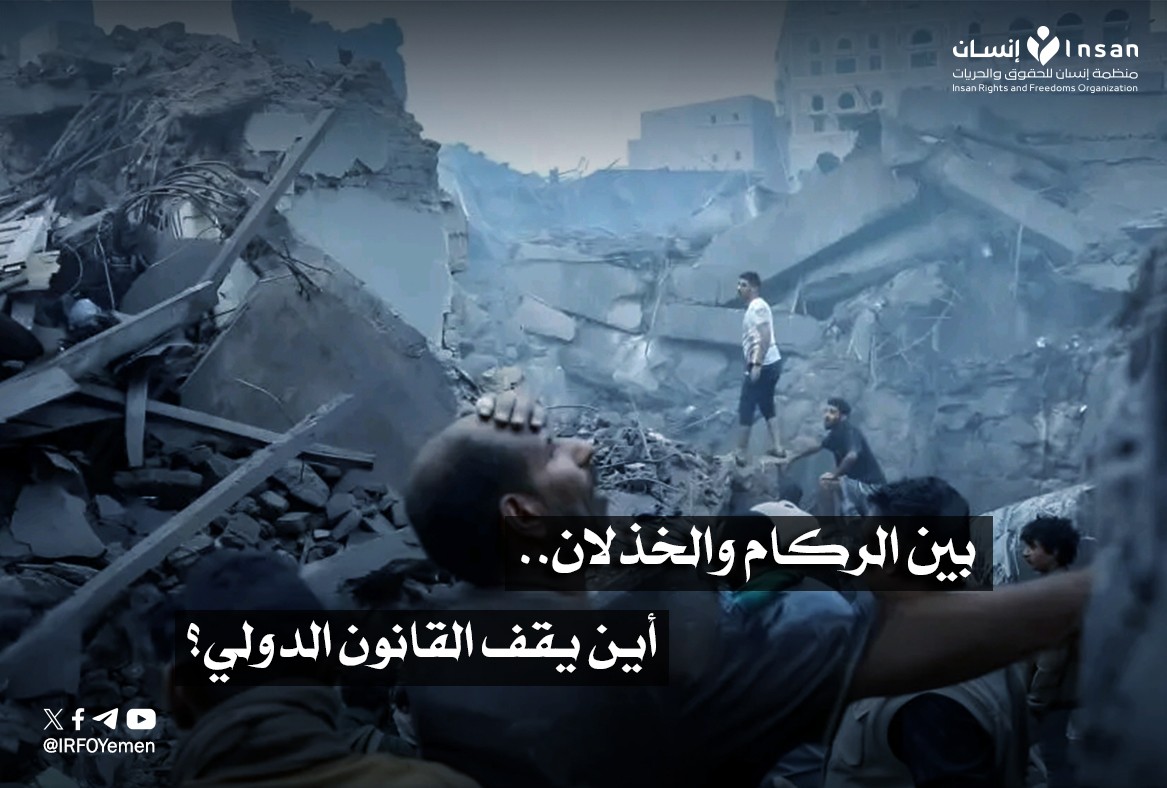
A heartbreaking scene, beyond the power of words to capture, was documented by a mobile phone camera as rescuers pulled out a child alive from the rubble of the Al-Domadi family home in Al-Tahrir neighborhood, Sana’a, after more than fifteen hours trapped beneath the ruins left by Israeli airstrikes on what has come to be known as the “Bloody Wednesday.”
The terrified, devastated child’s trembling eyes searched desperately for his parents, who did not emerge with him.
His only “crime” was seeking safety within the walls of his modest home, trusting in the shelter of his family—until in an instant, that shelter turned into rubble.
Despite the joy of his survival, more than fifteen other civilians—men, women, and children from the Al-Domadi family—remain trapped beneath the debris.
Rescue teams and neighborhood residents are doing the impossible, but their tools are rudimentary, and the narrow streets prevent heavy machinery from reaching the site.
Only dust-covered, trembling hands race against time, while time itself seems to weep at the world’s helplessness before Israeli brutality.
The entire neighborhood has become one beating heart, rising in prayer and supplication that the remaining family members cling to life until rescuers can reach them.
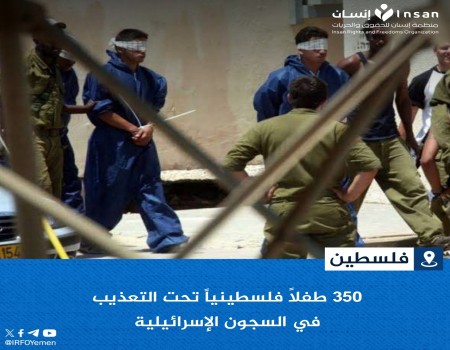
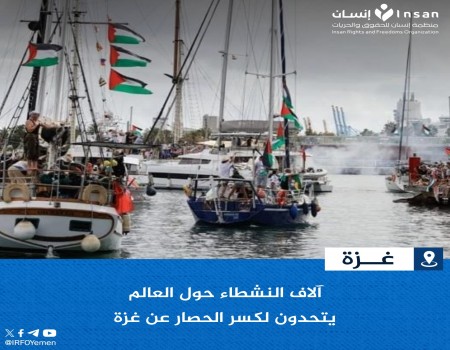
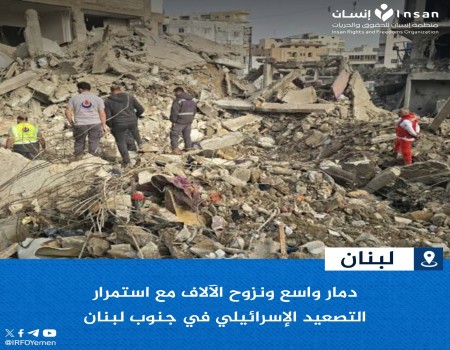
Yet behind this painful humanitarian scene lies a bitter sense of betrayal: no international law restrains the bombings, and no voice rises against Israel, which continues to spill blood with impunity—from Gaza to Lebanon, from Syria to Yemen, and even Qatar, which has not been spared despite its deep ties and shared interests.
The tragedy today is not Israel’s alone; it extends to Washington, which persists in providing unlimited military and political support to an occupier that flaunts its crimes before the world—openly defying all international laws, as documented by UN and human rights organizations whose reports fall on deaf ears among the world’s powerful.