Beneath the groans of rubble, and on the margins of grand headlines, Gaza cries out with a plea unlike any other—not for weapons, not for medicine, but for a simple, sacred right: to bury the dead with dignity.
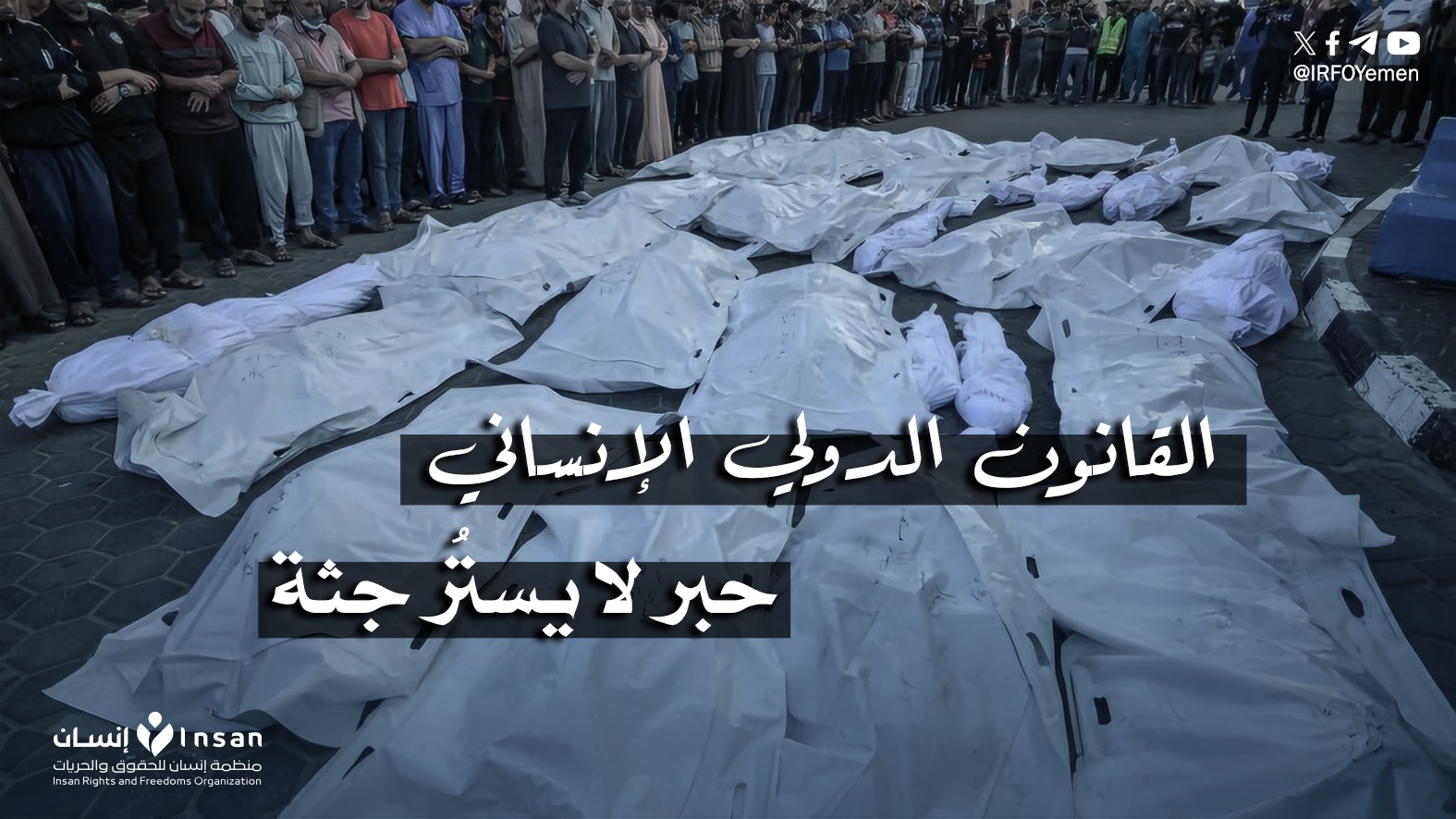
Under relentless Israeli bombardment, cemeteries are no longer enough. Bodies that once waited for hope now await a hole in the ground. That is why Gaza’s Ministry of Religious Endowments has launched an urgent humanitarian campaign, “Ikram”, to provide free graves befitting the dignity of the martyrs and victims who fall daily.
These are not dramatic lines from a tragic novel—this is documented reality. A severe shortage of burial shrouds. A collapse in the ability to provide even basic building materials to dig graves. Digging tools worn to the point of failure in cemeteries more crowded than ever before.
“We appeal to Arab and Islamic countries, to people of goodwill and living conscience, to stand with us,” the Ministry’s statement pleads, stressing that the need now touches every aspect of burial according to Islamic rites—from the shroud to preparing the grave itself.
In the midst of this catastrophe, Gaza does not ask for much—only the simplest offering one can give to a person at the end of life: a place to lay their body, a hand to pray for them, and a shroud to grant them their final covering.
Death in Gaza is not just a number on the news. It is a full story—one that begins with the scent of dust and does not end until the body is wrapped and lowered into a grave that preserves its humanity.
But behind this honest plea stands a bitter, unapologetic truth: an Arab betrayal that needs no explanation, and an official silence that borders on complicity.
Gaza is left alone to bury its sons—not with the means of a state, but through the efforts of volunteers and the shrouds sent by those with merciful hearts. And as the bodies multiply, so too do the conference speeches about “solidarity” and “deep concern.”
As for international humanitarian law—it has become a dull joke in an abandoned courtroom. It speaks of protecting civilians, yet does not prevent their slaughter. It sings praises of human dignity, yet cannot even provide a burial shroud. All that remains is faded ink on paper, used to decorate statements that change nothing about the brutal reality of daily massacres.
In Gaza, blood does not wait for statements. It waits for a conscience that does not get buried with its people.